
Overview
One campus, all our solutions
Solar, agrivoltaics, storage, water, EV charging and ESG monitoring, working together on one site. Your net-zero partner, from audit to plant to report.
See all solutions
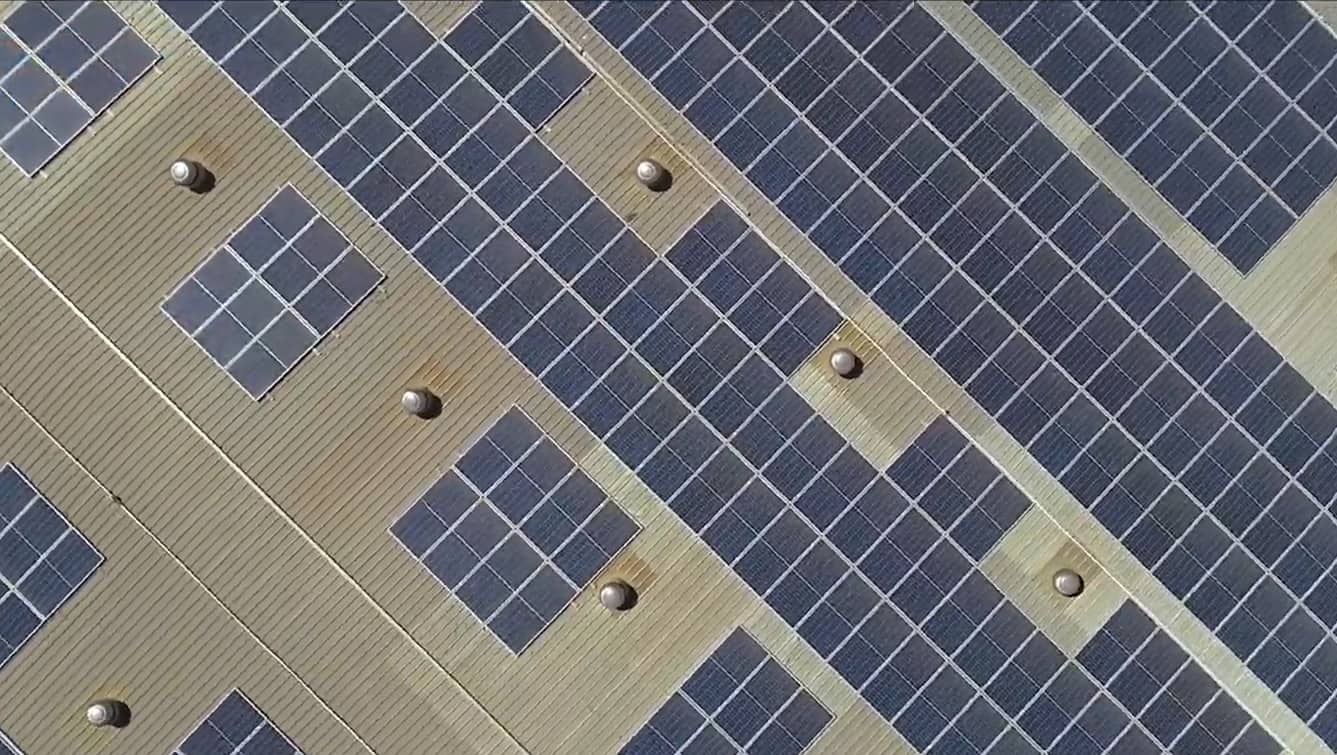
Solar, battery storage, water treatment and carbon accounting for industry and government, across India and Africa. 80+ MW delivered since 2016.
We review your power bills, roof or land and load profile, and show what solar, storage and efficiency can save you.
We review your current data and reporting needs (BRSR, CBAM, CDP, buyer requests) and show where you stand and what to measure first.
Overview
Solar, agrivoltaics, storage, water, EV charging and ESG monitoring, working together on one site. Your net-zero partner, from audit to plant to report.
See all solutionsSolar
Pay upfront, or go zero-investment with RESCO. Plants sized to your daytime load.
Explore Solar & EnergyAgrivoltaics
Agrivoltaics lets a farm produce electricity and crops from the same land. WRS designs solar for farms and agricultural projects.
Explore AgrivoltaicsBattery storage
Store surplus solar, cut peak charges and replace the diesel genset for events and backup.
Battery storageWater Treatment
ETP, STP and ZLD systems designed and built for your site, so treated water goes back into use.
Explore Water TreatmentEV charging
Charge fleet and staff vehicles from solar and storage, right at the plant.
Talk to usCarbon & ESG
Sensors on every system feed one dashboard, so energy, water and carbon are measured and ready for BRSR, CBAM and CDP.
Explore Carbon & ESGSolar, battery storage, energy efficiency, water treatment, and carbon and ESG: five solutions, one partner. Start with one, or bring them together.
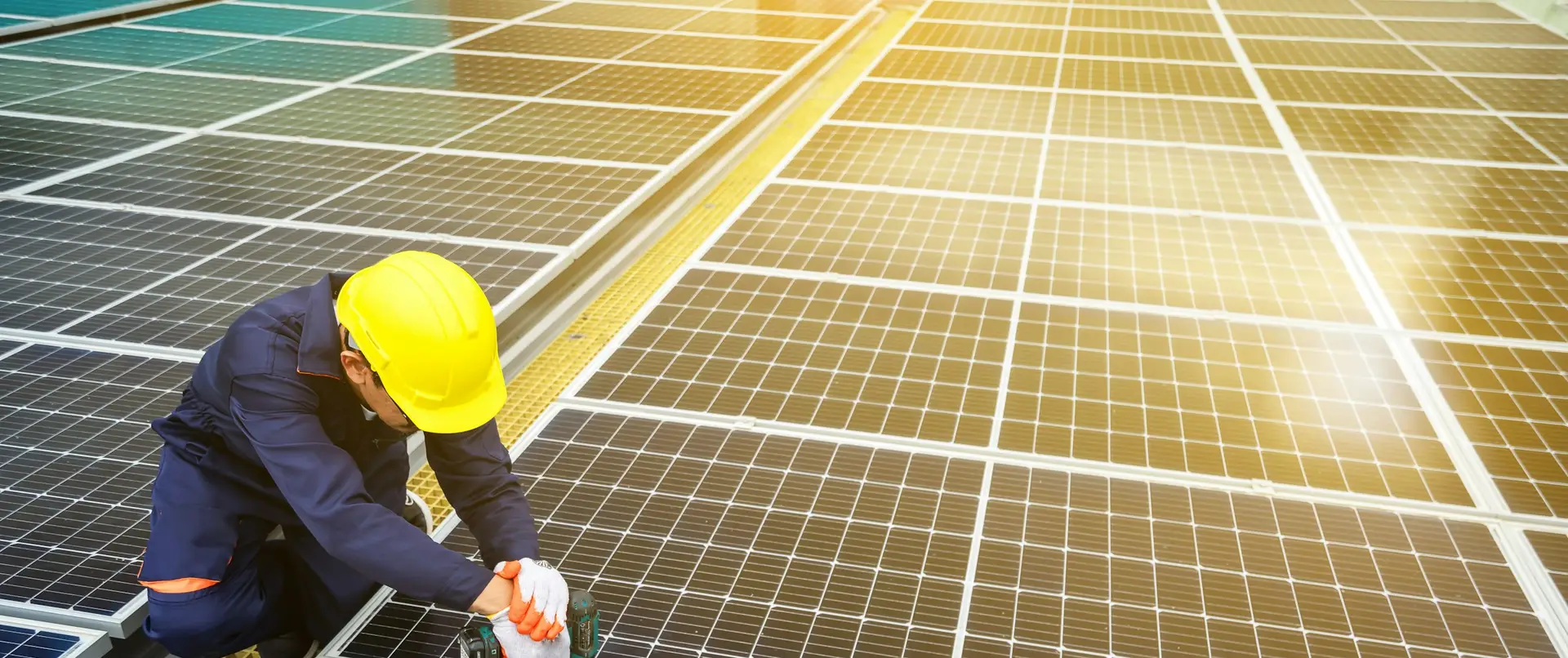
Cut your power and diesel bills.
Rooftop and ground-mounted solar plants for factories, businesses and government projects. Pay upfront, or go zero-investment with RESCO.
Explore Solar & Energy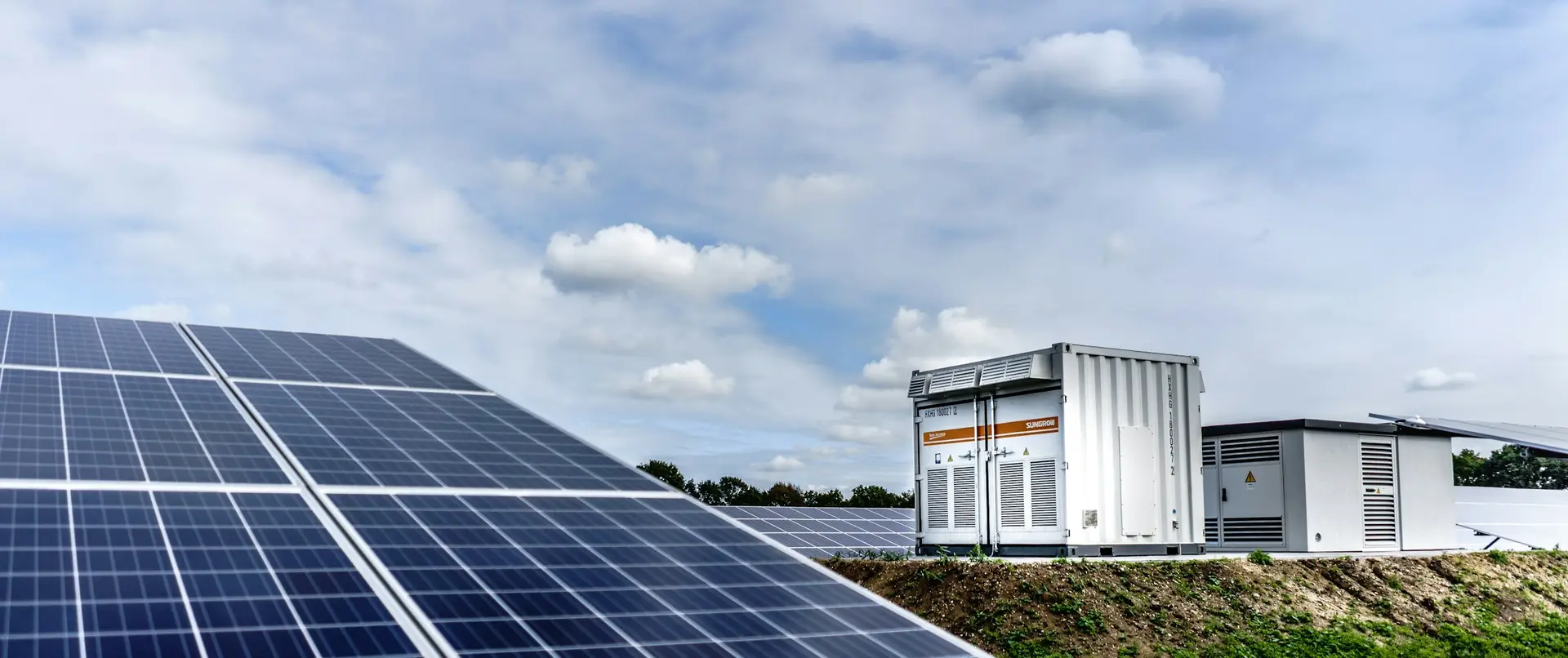
Use solar after sunset and run less diesel.
Batteries store solar power so you can use it after sunset, ride through outages and run less diesel. WRS can supply storage as a project or as a service.
Explore Battery storage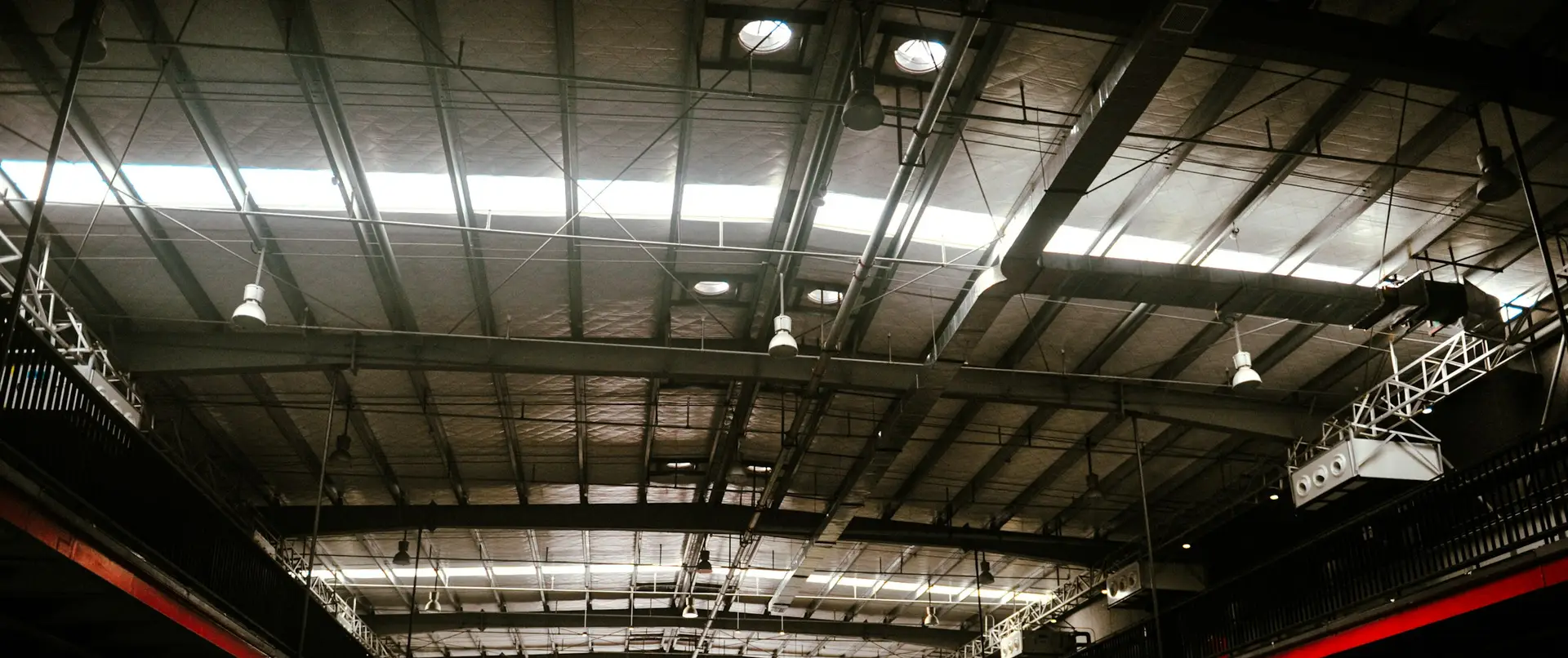
Cut the units you buy.
The cheapest unit of power is the one you do not use. WRS audits where your plant uses and wastes energy, ranks the fixes, and sizes solar to the reduced load.
Explore Energy efficiency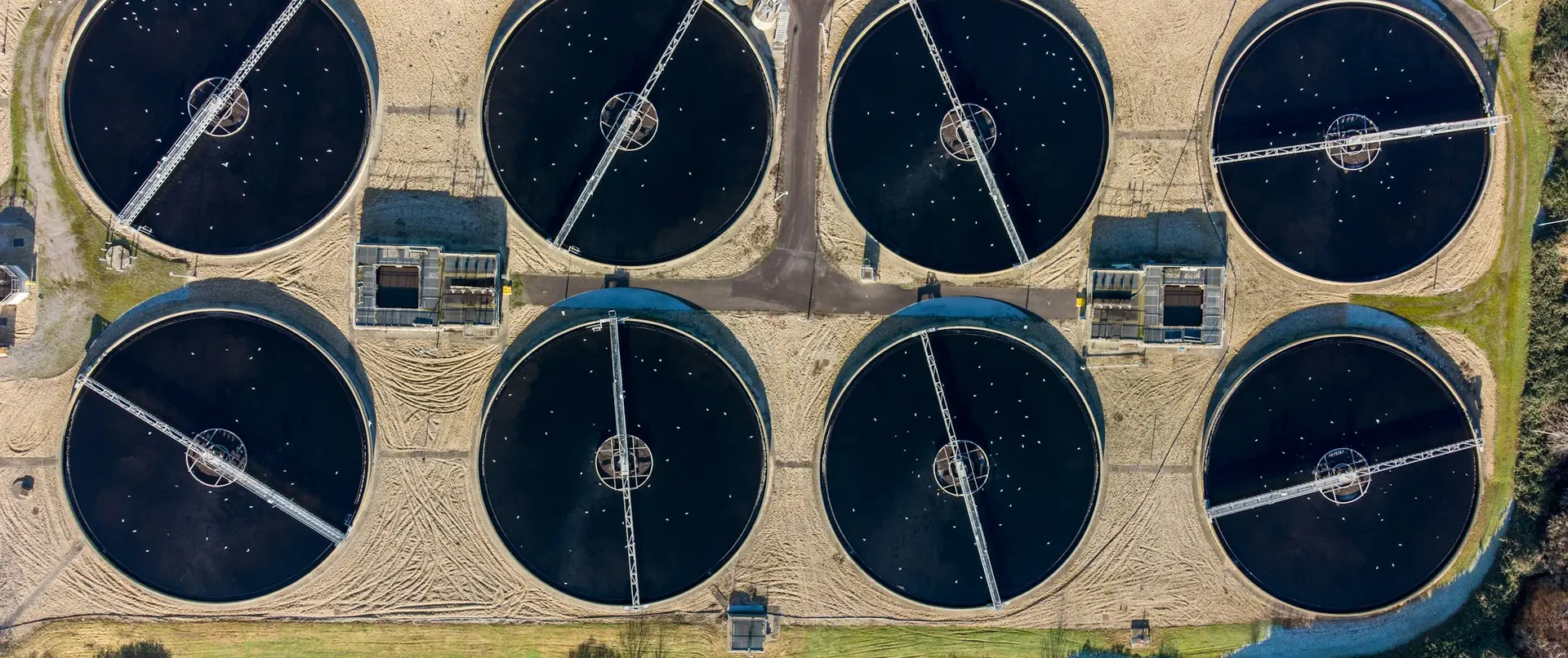
Meet discharge norms and reuse your water.
Effluent and sewage treatment plants designed and built for your site, so you stay within pollution control board norms and spend less on fresh water.
Explore Water Treatment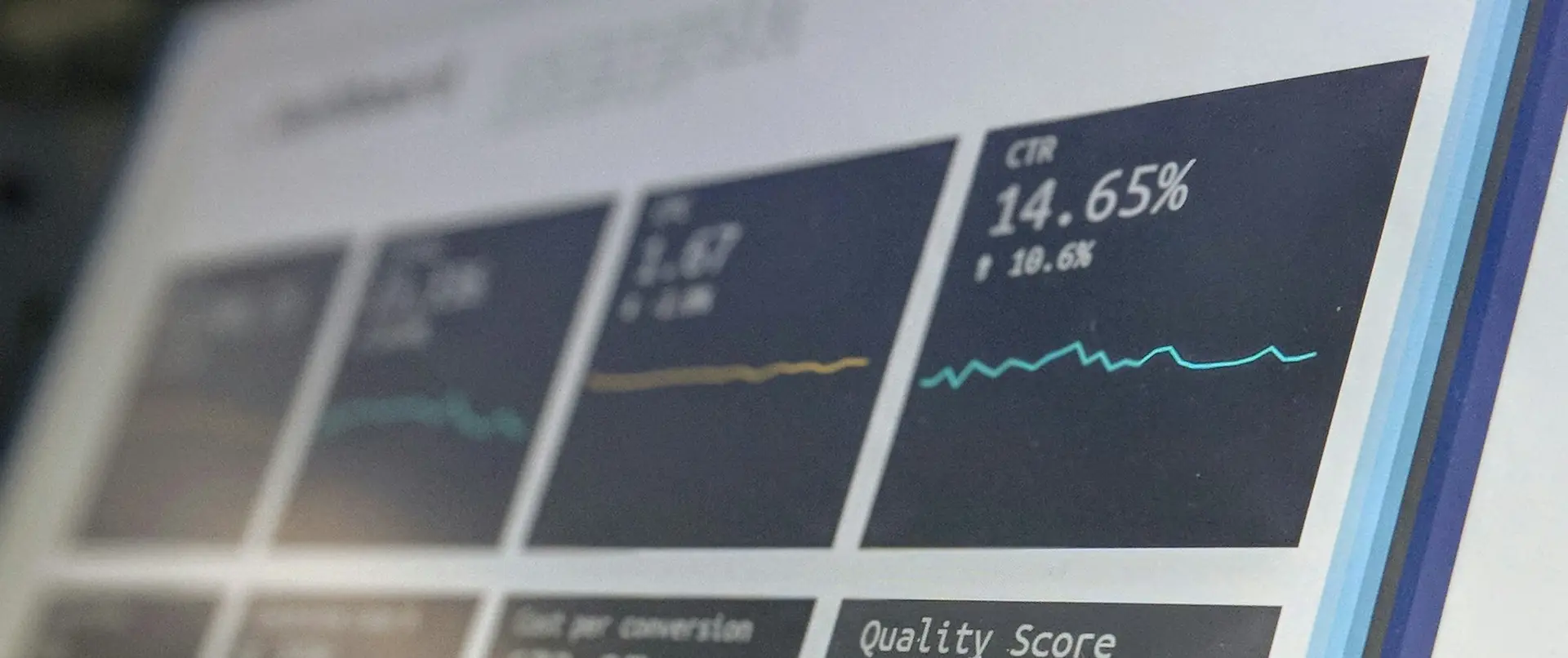
Measure and report emissions with confidence.
Carbon accounting and ESG reporting, led by a SEBI-certified BRSR auditor. Be ready when buyers, regulators or lenders ask for your numbers.
Explore Carbon & ESGStart with one solution, or bring them together on the way to net-zero.
Find where your energy, water and emissions go.
Cut them with the projects that fit your site.
Show the results to buyers, regulators and lenders.
Solar to cut the emissions, and measurement to prove it. Each card links to its case study.
700+ kW
700+ kW of rooftop solar, plus a full GHG inventory, CDP disclosure and SBTi target-setting.
Read the case study1,080 kW
1,080 kW of rooftop solar, plus a Scope 1, 2 and 3 inventory and CBAM readiness for EU exports.
Read the case study335 kW
335 kW of solar that cut diesel costs by about 70%.
Read the case study2-day event
For the two-day event, WRS arranged battery storage as a service, charged by solar, so the pavilion ran without a diesel genset.
Read the case studyOne partner for energy, water and emissions. Every project is built around outcomes you can measure: kWh, rupees saved and tonnes of CO2.
80+MW
In India and Africa, since 2016. Designed, installed and maintained by our own engineers.
Free energy assessmentIn-house design, installation and maintenance, with 80+ MW of solar delivered.
One team for your solar plant, your treatment plant and your ESG report, with one point of contact.
Savings from every project are measured and ready for BRSR, CDP or CBAM.
Projects across 22 cities in India and Africa.





Customers talk about working with WRS, in their own words.
Through WRS, we have installed more than 1 megawatt of solar capacity on our rooftops in our two manufacturing facilities. Solar not only helps us reduce our energy bills, but it also helps us in our cause of building a green and sustainable enterprise. I am very impressed by the technical acumen of WRS and I highly recommend them for any solar project.
We have installed around 680 kilowatt of solar rooftop. Apart from reducing our electricity bill, we have been able to reduce CO2 emissions by 17 lakh pounds, which is equivalent to driving 171 passenger cars for one year. We are very pleased with WRS team. They have been very professional throughout our solar installation. Our entire process was completed in record time to help us claim depreciation. We strongly recommend WRS for any solar installations in future.
WRS solar was installed a year back at our residence and it has been doing good, working efficiently. The purpose and objective for which it was installed has been achieved. We have been happy about the service, feedback and no complaints so far. I would like to congratulate the team working under the leadership of Vedant, Lalit and Aniket.
We first started working with WRS solar about four years ago when we installed a 100 kilowatt solar generation plant at NEC in Nashik. The plant has been functioning very well and since then we have worked on a couple of other projects, both at NEC and at Rishabh Instruments Pvt. Ltd. Solar business is a complicated business in terms of understanding the solar parameters, the inverter parameters and ensuring that one gets optimum radiation as well as optimum generation. We were particularly impressed with the attention to detail that the whole team gave not only at the design stage but also at the execution stage. Since our solar was installed at the rooftop, it was very necessary to ensure that the installation is correctly done and that there are no leakages. But I am happy to report that we had no occasion to complain on any of these parameters. Also, today many solar inverters of different brands are available and one needs to have a deep study to be able to ensure that you give the optimum generation to the end user. But on all these grounds, we would give very high marks to WRS solar.
Awards and fellowships for solar leadership in Nashik, nationally and from global climate-tech programmes.

Feb 2019
World Solar Congress
2018
ABP Majha Summit, Nashik

2023
World CSR

2021
On Deck
Climatebase, Cohort IV

2016-17
Institution of Engineers, Nashik

2016
Village Capital

2015
Washington DC
Rooftop solar is installed above your production floor, so work normally continues below. We plan the installation around your shifts, schedule any shutdowns or tie-in work (typically a few hours for the grid connection) for planned breaks, and follow site safety rules for work at height, electrical isolation and permits. Our team completes a roof and load survey before we start, so there are no surprises.
Solar generates only in daylight, so at night your plant draws from the grid or your existing backup as usual. For 24/7 operations, solar cuts your daytime bill, and battery storage can shift some solar energy to evening peaks or provide backup. We size storage only where it pays off, and we will tell you if it doesn't.
Our in-house team handles operation and maintenance, including panel cleaning, inverter checks, remote monitoring and performance reports. Under our standard O&M contract, we respond to customer requests within 48 hours and resolve them promptly. We guarantee a minimum generation based on the customer's location.
Component warranties come from the manufacturers: panels typically carry 12–15 years on the product and 25–30 years on performance, and inverters typically 5–12 years. We help you handle any claims, so you deal with one point of contact.
Owning the plant (capex). You pay upfront and keep all the savings. Payback for industrial rooftops is typically 2–5 years, depending on your tariff, how much of the power you use during the day, and the roof. You own the plant, carry O&M, and benefit from any tax advantages that apply under current rules.
RESCO / OPEX. WRS builds, owns and operates the plant, and you pay only for the power it produces, at a tariff below your grid rate. You invest nothing, and maintenance and performance risk are ours.
| Own it (capex) | RESCO (opex) | |
|---|---|---|
| Upfront cost | Full plant cost | None |
| Who owns the plant | You | WRS during the contract term; end-of-term options such as buy-out are agreed in the contract |
| Savings | Highest over the long run | Immediate, smaller per unit |
| Maintenance | You, or under our O&M | WRS |
It depends on your daytime load, your tariff and how much shadow-free roof you have. As a rule of thumb, 1 kW needs about 100 sq ft of roof. We size the plant to your load, so you use what you generate instead of paying for capacity you can't use. Our solar calculator gives an indicative size in a minute, and the site survey confirms it.
Output is lower on cloudy days, and annual generation estimates already allow for the monsoon. Dust and bird droppings also cut output, which is why regular module cleaning and remote monitoring are part of O&M: a drop in performance shows up in the reports, and we act on it.
A standard grid-connected plant switches itself off when the grid goes down. This is a safety requirement, so that no power is pushed into lines that crews may be working on.
If you need power during outages, battery storage with the right inverter set-up can supply backup for the loads you choose, and it can cut diesel genset use. At the AIMA Index International Pavilion, WRS arranged battery storage as a service, charged by solar, so the pavilion ran without a diesel genset.
Every roof is checked for strength, condition and shading before design. We choose the mounting method for your roof type, flag any weak sections before work starts, and review any roof warranty during the survey. It's worth checking your roof manufacturer's terms too.
Yes. We prepare and follow up the MSEDCL net-metering application and the other approvals the project needs. Net metering lets the plant export surplus units and offsets them on your bill. Eligibility and limits depend on current state rules, so we tell you what applies to your connection.
Businesses that own solar assets may be able to claim accelerated depreciation. The rate and eligibility change, so confirm the current rules with your chartered accountant, and plan the commissioning date with them.
An ETP treats industrial process wastewater. An STP treats sewage from toilets and canteens. Many factories need both. If you need to recover and reuse nearly all your process water, a zero liquid discharge (ZLD) system is the next step. Whether ZLD applies depends on your industry, location and regulator, and we can advise.
Treated water can often be reused in the process or for utilities, depending on its quality and the use. We assess this in the water audit.
Start with a baseline of your emissions: Scope 1 (fuel you burn on site), Scope 2 (electricity you buy) and Scope 3 (everything else in your value chain). WRS measures this and prepares the BRSR, CBAM or CDP data your customers ask for, led by a SEBI-certified BRSR auditor on our team.
Solar then cuts your Scope 2 emissions, and you can show the reduction in the same report. A free carbon assessment shows where you stand and what to measure first.
Yes. WRS has delivered projects in 22 cities across India and Africa, including a 335 kW solar plant for Zaer PLC in Eritrea that cut diesel costs by about 70%. Our engineering team is based in Nashik, and for overseas enquiries we reply by email and can arrange a video call across time zones.
Choose an assessment. We review your data and show you where you stand and what to do first, with no obligation.